


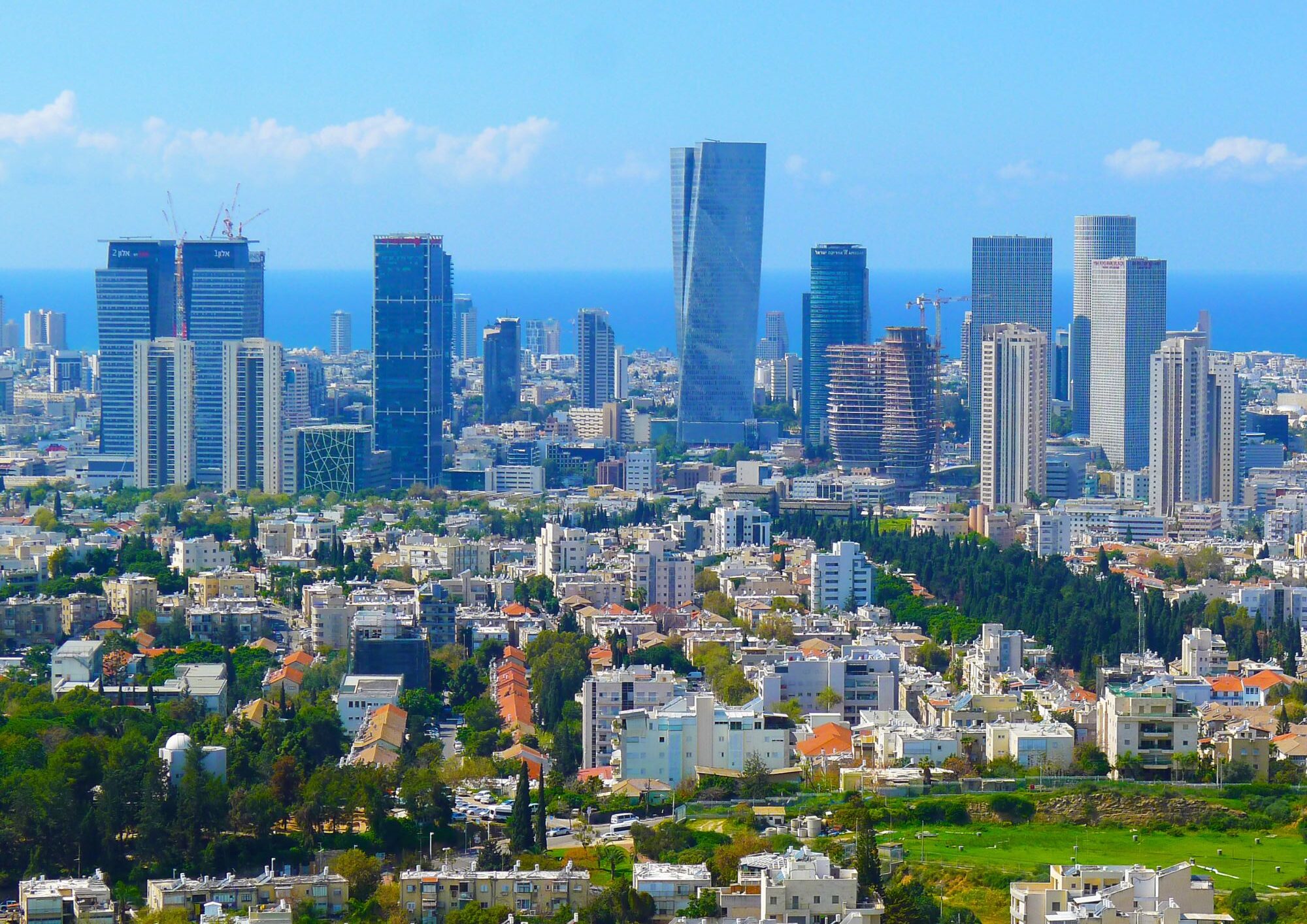
The Tel Aviv real estate market in 2025–2026 presents a compelling intersection of high demand, supply constraints, and localized yield opportunities. Driven by a thriving tech ecosystem, population growth, and steady diaspora investment, understanding market fundamentals, neighborhood dynamics, and rental management options is essential for capitalizing on this resilient market.
Key Points
- Market Supply Drivers: Chronic land scarcity and slow approval pipelines keep high-end housing supply tight, supporting long-term asset values.
- Neighborhood Price Tiers: Central hubs command ~₪4M+ ($1.1M+ USD) averages, while peripheral areas undergoing urban renewal offer lower entry points and capital growth upside.
- Rental Market Dynamics: Average monthly rents sit around ₪7,000, driven by steady demand from local professionals and international expats.
- Strategy Selection: Short-term hospitality stays capture higher seasonal nightly rates, whereas 12-month residential leases offer steady passive income with lower tax friction.
- Local Operations: Working with professional property managers ensures tenant screening, rent collection, and regulatory compliance.
- The Bottom Line: Tel Aviv real estate provides strong capital appreciation and asset protection when supported by local management and structured financial planning.
Tel Aviv Housing Outlook 2025
Tel Aviv continues to stand out as Israel’s most dynamic and high-value real estate market. Known for its vibrant lifestyle, economic strength, and prime coastal location, the city has long attracted both local and international buyers. The Tel Aviv real estate market is synonymous with high prices and relentless demand. This article explores the current market conditions, recent price trends, and the outlook for 2025, offering insight into what’s driving the city’s competitive housing scene.
Key Takeaways
- Tel Aviv real estate prices rose 8–9.4% in 2024 and are expected to continue climbing in 2025 due to strong demand and limited supply.
- Housing demand is fueled by the tech sector, population growth, and foreign investment—especially in central and luxury neighborhoods.
- Rental prices are also rising, with average rents reaching ₪7,000/month, driven by a 42% surge in rental demand.
- Supply remains constrained due to land scarcity, bureaucratic delays, and rising construction costs, hindering new development.
- Investors see long-term potential, especially in fringe neighborhoods offering lower entry prices and capital appreciation opportunities.
Tel Aviv Real Estate Market Overview
The Tel Aviv real estate market is shaped by several strong fundamentals. A chronic housing shortage, rapid population growth, and a robust economy continue to support high demand. As a global city and Israel’s economic engine—especially in tech and finance—Tel Aviv remains a magnet for professionals, investors, and expatriates. This sustained interest keeps the market competitive and property values high.
Recent Trends and Price Movements
Over the past year, Tel Aviv real estate prices have continued to climb, despite broader economic and security challenges. According to Times of Israel, home prices rose around 8% in 2024. Buyitinisrael.com reports an even sharper increase of 9.4%, underscoring the market’s resilience. Factors like low interest rates earlier in the decade, post-COVID demand recovery, and limited housing supply have all contributed to this sustained price growth.

Demand Outpacing Supply
Demand in Tel Aviv continues to outstrip supply. The city’s strong tech sector attracts high-earning professionals, while high birth rates and growing foreign investment contribute further to housing demand. As SandsOfWealth.com notes, Tel Aviv’s housing shortage and expanding population are key reasons prices remain on the rise.
Construction and Supply Challenges
Efforts to increase housing supply face multiple obstacles. Limited land availability in the city core, slow approval processes, and bureaucratic delays hamper new developments. Rising construction costs, labor shortages, and material inflation have also slowed the pace of new building projects, as highlighted by Times of Israel. These challenges mean that even new construction is struggling to keep up with demand.
Top property development companies in Israel are increasingly looking to redevelop existing properties in older neighborhoods or build upward to maximize space efficiency.
Investors following real estate development in Israel trends will find Tel Aviv remains the most constrained yet most promising market. Leading Israeli real estate developers are focusing on luxury high-rises, mixed-use towers, and smart buildings in areas with strong infrastructure access.

Neighborhood Price Highlights
Prices across Tel Aviv vary widely by neighborhood. Central and northern areas such as Neve Tzedek, Tzameret Park, and Ramat Aviv command premium prices due to their location and prestige. In contrast, older or peripheral neighborhoods offer slightly more affordable options. According to Buyitinisrael.com, the average price of an apartment in Tel Aviv is around ₪4 million (over $1 million USD), roughly double the national average.
With property prices soaring, smart investors understand the importance of professional property management in Israel. Whether managing short-term rentals or luxury condos, using a local property management company in Israel helps maintain value, reduce tenant turnover, and comply with Tel Aviv’s evolving rental regulations.
Luxury vs. Affordable Areas
Luxury neighborhoods with oceanfront towers and boutique developments continue to see strong interest from high-net-worth buyers. Meanwhile, fringe areas and older districts are gaining attention from investors seeking value and long-term growth potential. These up-and-coming neighborhoods offer relatively lower entry points while still benefiting from the city’s overall appreciation.
Rental Market Trends
The rental market in Tel Aviv mirrors its ownership trends—tight supply and rising demand. Rents have increased by approximately 5% year-over-year, reaching an average of ₪7,000 per month, according to SandsOfWealth.com. Rental demand surged by 42% as young professionals continue to flood the city. With no rent control and limited new rental units, landlords remain in a strong position.
The demand for short term rental management in Tel Aviv has risen sharply with tourism recovery. Investors focused on vacation rentals are leveraging holiday home management in Israel and short-term rental management firms to handle listings, cleaning, guest turnover, and maintenance.
On the flip side, the tight rental market has also pushed demand for long term rental management in Israel, with landlords seeking consistent income and stability. Both strategies benefit from using trusted property management support in Israel, particularly for overseas owners.
Investor Insights and Outlook
For investors, the Tel Aviv real estate market remains a compelling long-term play. Despite relatively low rental yields (around 3% on average according to NBN.org.il), many buyers are banking on continued capital appreciation. Investors looking for stronger yields are exploring emerging neighborhoods where price points are lower and growth potential remains high.
While Tel Aviv remains the epicenter of Israel’s real estate boom, savvy investors are also exploring real estate investment in Israel across rising markets like Netanya, Sharon, and Jerusalem. These areas offer emerging property developments with lower entry points and significant long-term upside.
Following broader Israeli real estate investment strategies, buyers are diversifying by purchasing in new developments in Jerusalem, real estate developments in the Sharon area, and coastal projects in Netanya Israel real estate. Tracking Israeli real estate trends in 2025 reveals that growth is expanding beyond Tel Aviv into these high-potential zones.
Looking ahead to 2025, most analysts expect price growth to continue, though potentially at a more moderate pace. Factors like rising interest rates, inflation, and potential government housing initiatives could influence the market’s trajectory. Nonetheless, the underlying demand-supply imbalance remains unchanged, keeping upward pressure on prices.
Conclusion
The Tel Aviv real estate market continues to reflect strong demand, rising prices, and limited supply. As 2025 unfolds, buyers and investors can expect the trend of rising Tel Aviv real estate prices to continue, albeit with some moderation. With its global appeal and economic strength, Tel Aviv is set to remain Israel’s priciest and most active market. Staying informed on Tel Aviv real estate market trends is essential for anyone considering a move or investment in the city.
Tel Aviv Real Estate Market FAQs
1. Why are Tel Aviv real estate prices still rising in 2025?
Prices continue to rise due to a severe housing shortage, strong demand from high-income buyers, limited land for new developments, and ongoing delays in construction approvals.
2. What are the average apartment prices in Tel Aviv in 2025?
As of 2025, the average apartment price in Tel Aviv is approximately ₪4 million ($1.1M USD), nearly double the national average, depending on the neighborhood and property type.
3. Is now a good time to invest in Tel Aviv real estate?
Yes. While prices are high, the market remains resilient. Investors expect continued appreciation, especially in emerging neighborhoods with development potential.
4. What are the best neighborhoods to buy property in Tel Aviv?
Premium areas include Neve Tzedek, Ramat Aviv, and Tzameret Park. For more affordable options with growth potential, consider fringe districts undergoing urban renewal.
5. How does Tel Aviv’s rental market perform in 2025?
Rents continue to climb, with average monthly rent reaching ₪7,000. Demand is outpacing supply due to young professionals, tech workers, and limited new rental units.
6. Are short-term rentals profitable in Tel Aviv?
Yes. With high tourism and no rent control, short-term rentals in central Tel Aviv can outperform long-term leases, especially when managed by professional property services.
7. What are the risks of investing in Tel Aviv property?
Key risks include high entry costs, low rental yields in luxury areas, and delays in project approvals. However, long-term capital appreciation offsets many of these concerns.